The scientific name of this superfood is Vaccinium corymbosum, and it belongs to the berry family. The blueberry, also known as "blueberrie", is a small, round fruit with a sweet-tart flavor. It is gaining increasing popularity worldwide due to its numerous health benefits that contribute to a better quality of life.
The scientific name of this superfood is Vaccinium corymbosum, and it belongs to the berry family. The blueberry, also known as "blueberrie", is a small, round fruit with a sweet-tart flavor. It is gaining increasing popularity worldwide due to its numerous health benefits that contribute to a better quality of life.
As with any fresh fruit worldwide, there is always a certain risk, especially if the farming and packaging processes are unknown. However, with over a decade of commercial production in Peru, blueberries have become a flagship fruit, and Peruvian producers are now among the world’s top exporters.
This growth has led to significant advancements in cultivation and packaging processes, with a strong focus on keeping plantations pest-free by using biological pesticides that preserve the fruit’s organic integrity. Additionally, continuous technological improvements ensure the highest product quality.
At Peruvian Nature, we are committed to natural and eco-friendly production methods that preserve the intrinsic qualities of blueberries, respect the ecosystem, and meet the highest international standards. Our dehydrated blueberry products extend the fruit’s shelf life, enhance convenience, and retain its full nutritional value.
Peru's blueberry production benefits from its diverse climatic regions, which provide ideal conditions for increasing yield and enhancing fruit quality. At Peruvian Nature, we have identified the July to November season in the Ancash region as one of the best periods for harvesting large, high-quality, and flavorful blueberries.
During winter, blueberry plantations in Peru become highly vulnerable to fungal infections. According to Luis Álvarez, a blueberry field advisor and phytopathologist, all blueberry varieties are susceptible to rust fungus (Naohidemyces vaccinii), especially when temperatures drop below 24°C (75°F) and humidity levels are high.
These fungal infections can damage anywhere from 10% to 100% of the crop. Álvarez emphasizes the importance of preventive protection measures, which should be applied in stages, from flowering to harvest.
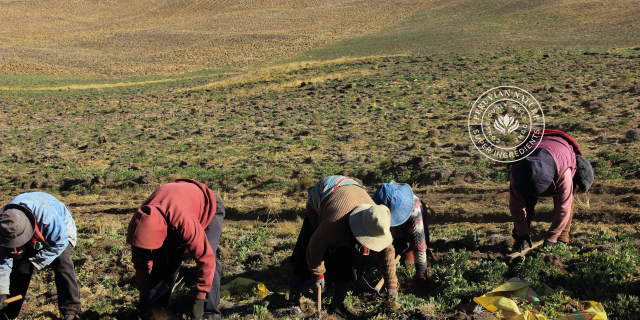
Particularly during the harvest phase, it is essential to use biological treatments that comply with the Maximum Residue Limits (MRL) set by the destination country. At Peruvian Nature, we conduct regular audits and inspections of our suppliers to ensure the use of organic and biological solutions. We also enforce strict plantation hygiene practices, as fallen leaves and fruit can become breeding grounds for fungal infections, which could spread to the crop.
For nearly three years, Peru has led global blueberry exports, surpassing Chile as the top supplier. The United States is one of the largest importers, accounting for 25.5% of total exports, valued at $2.069 billion USD.
This growth is driven by the exceptional quality of Peruvian blueberries, recognized for their size and flavor, along with the expanding production across various regions of the country. This increase is made possible by Peru’s diverse climatic zones and mineral-rich soils, which create the ideal conditions for high-yield cultivation.
Buying Peruvian blueberries is easy! If you are a business owner or distributor interested in purchasing our products or requesting samples, simply leave your details in the contact section of our website or email us at sales@peruviannature.com. Our team will respond promptly to answer your questions and provide all the necessary information.
Now is the time to offer your customers a healthy, nutritious, and natural product with Peruvian Nature.